
Protecting Critical Habitat: Several Vernal Pools Certified
With the help of volunteers and TerraCorps members, the 300 Committee has successfully certified seven vernal pools across Falmouth. The official recognition of these pools marks an important step towards protecting valuable wildlife habitat, including habitat for rare or endangered species.
In February of 2025, the Dennis Conservation Land Trust hosted a meeting of its partner organizations. Partners were urged them to sign a pledge to take part in a Community Biodiversity Initiative. The Community Biodiversity Initiative is a cape-wide effort to support local land trusts in facilitating volunteer-led programs to monitor biodiversity. There are many ways that volunteers can get involved which include reporting state-listed species to the Natural Heritage and Endangered Species Program (NHESP) and surveying vernal pools. The NHESP is the state agency that handles vernal pool and rare species observations. They have the authority to officially "certify" vernal pools and designate priority habitat for rare species.
The 300 Committee was among several organizations who took the pledge. Part of the pledge was an agreement that each partner would make an effort to certify at least three vernal pools per year and submit their observations to the NHESP.
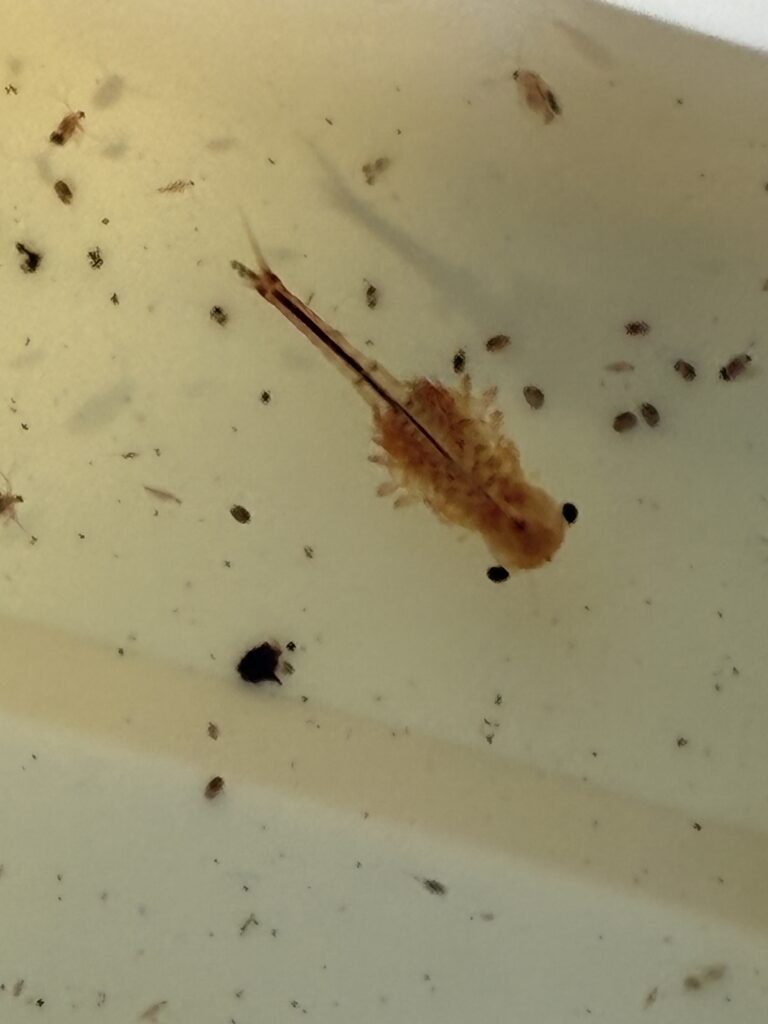
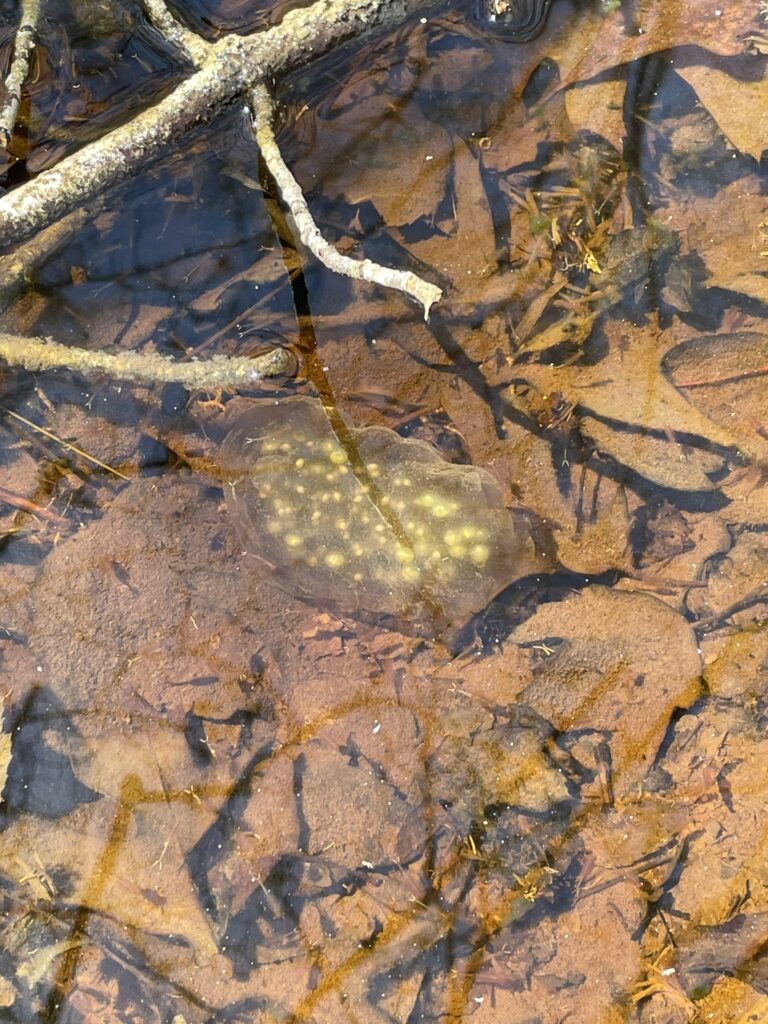
What is a "vernal pool" and what does it mean to "certify" one? Vernal pools are ephemeral (temporary) wetlands that only hold water at certain times of the year, usually in in the spring. Starting off as an inconspicuous depression in the ground, they often fill with water from rain and snowmelt in the spring, before completely drying out in late summer. Although not noticeable at other times of the year, they are teeming with life during their hydroperiod (the period of time when they are filled with water). Terrestrial amphibians including the wood frog and spotted salamander lay large, gelatinous masses of eggs. Also, tiny fairy shrimp dart around in the shallow water and long-legged insects skim the surface.
Once the amphibian eggs hatch and the young are old enough, they migrate out of the pools and into the surrounding woodland habitats. Vernal pools are "certified" if they are formally recognized by the state and mapped. Certified vernal pools receive special protections that prevent the land surrounding them from being developed.
To uphold our commitment to the partner pledge, the 300 Committee facilitated a vernal pool certification program in the spring of 2026. Around 15-20 volunteers went out in small groups to nine vernal pools across Falmouth, collecting photographic and video evidence of egg masses and fairy shrimp. Volunteers attended a hands-on training at Teaticket Park prior to going out in the field, and all of the data was organized and submitted to NHESP in June.
After much waiting and anticipation, NHESP recently notified us that seven of the vernal pools we submitted were officially certified, far surpassing our baseline of three per year. These seven pools, including one near North Falmouth Woodlands, will be forever protected and preserved.
If you are interested in learning more about the 300 Committee's involvement with the Community Biodiversity Initiative, please visit this page. Read about our recent BioBlitz, vernal pool certification, rare species reporting, and how to use iNaturalist to record observations of interesting plants and wildlife on Falmouth's conservation land.