2026 BioBlitz a Great Success
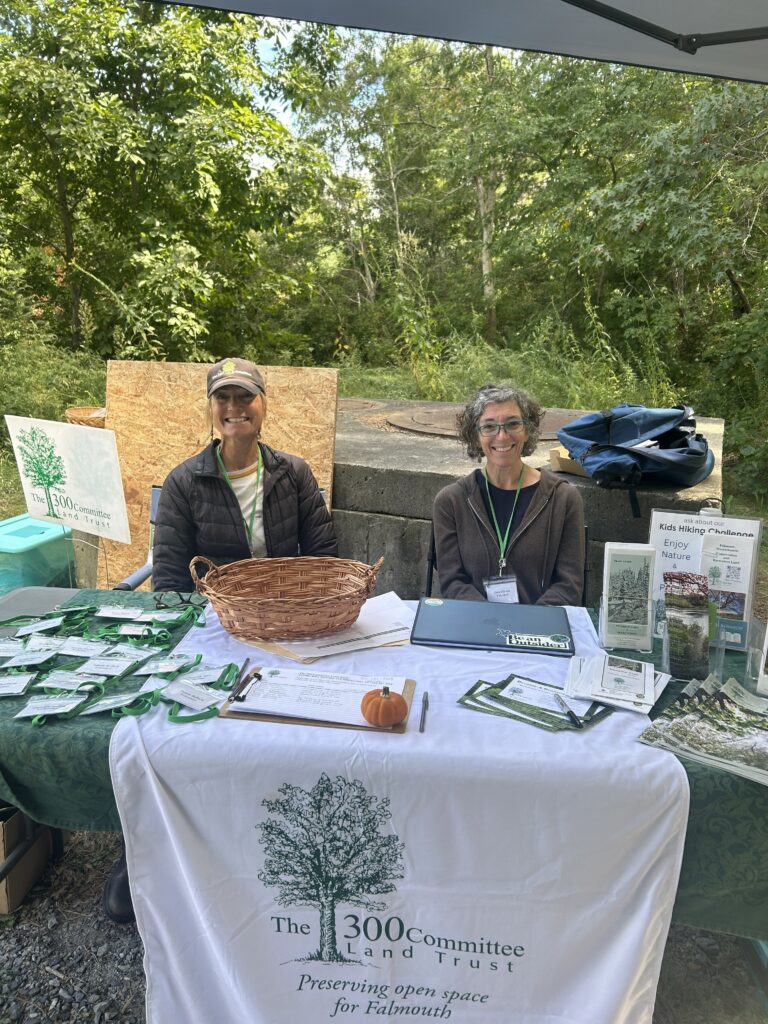
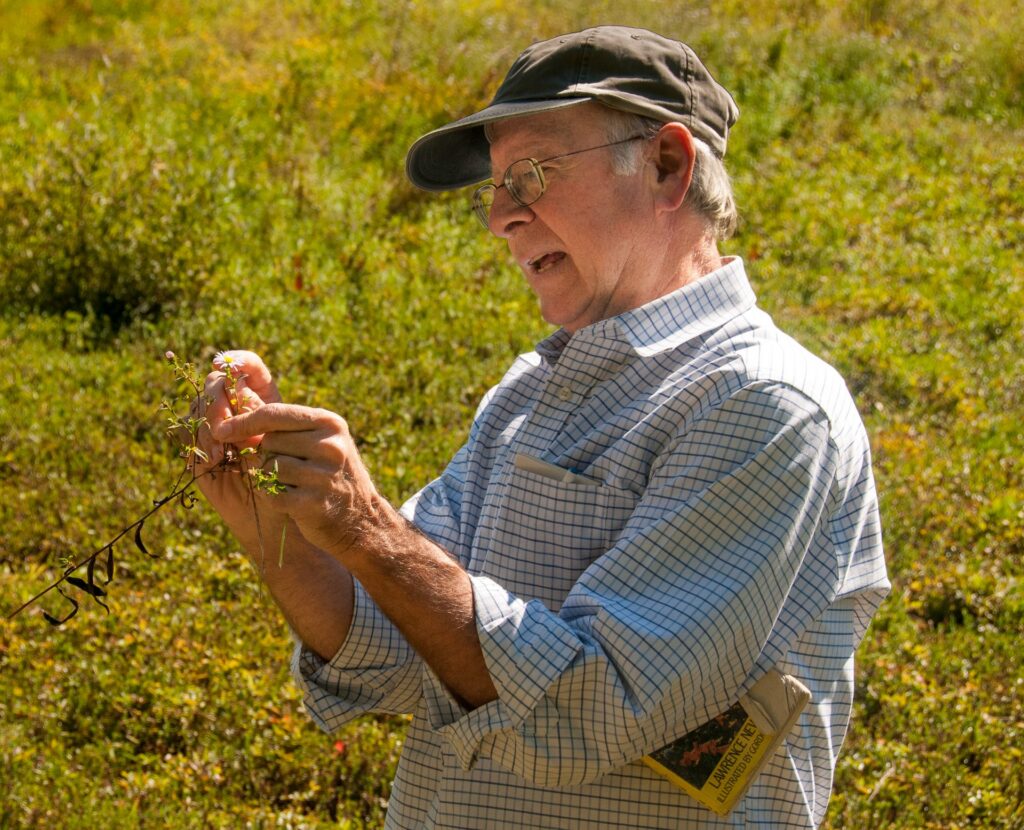
Several volunteers, community members, and taxa experts gathered for a BioBlitz on September 19th and 20th at the Upper Coonamessett River bogs off Hatchville Road in East Falmouth. A BioBlitz is a collaborative effort, often between professional naturalists and the public, to identify and catalog as many unique species as possible within a limited time frame and geographical area. This year's BioBlitz comes just after restoration was completed on the Upper Coonamessett Bogs. The event also honors celebrated naturalists Donald "Don" Schall (1944-2021) and Beth Schwarzman (1944-2012). Beth Schwarzman was instrumental in planning the first BioBlitz in 2010. She is also the author of Nature of Cape Cod and designed many of the 300 Committee's trail maps. Beth's efforts laid the groundwork for this BioBlitz and any future BioBlitzes.
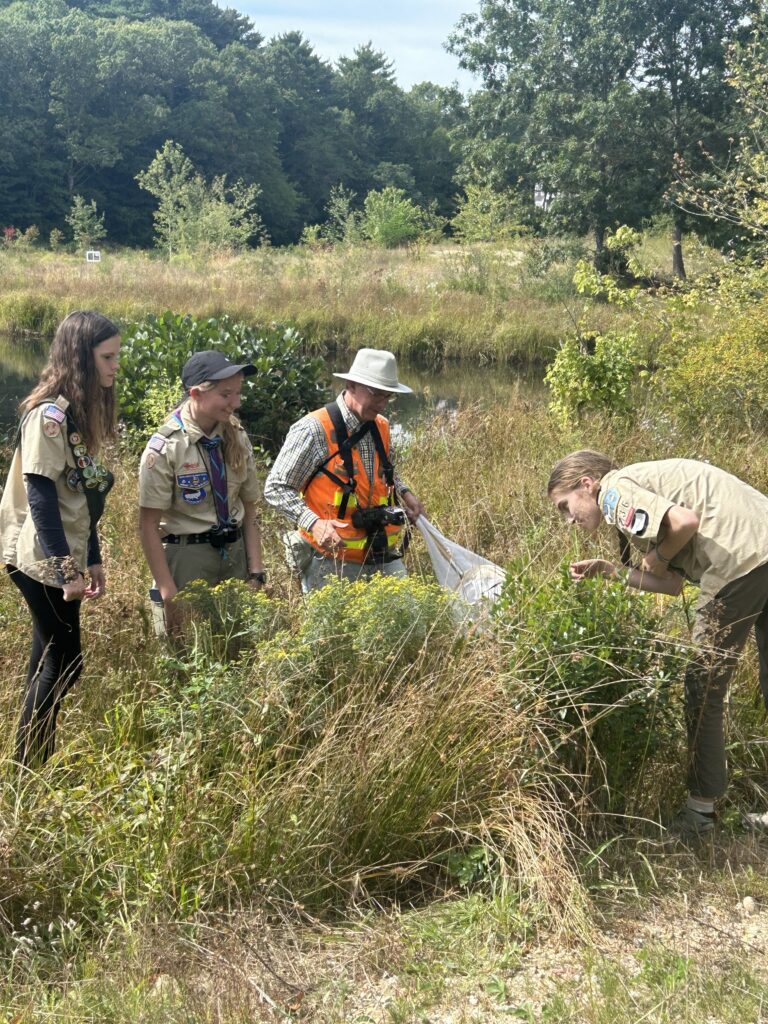
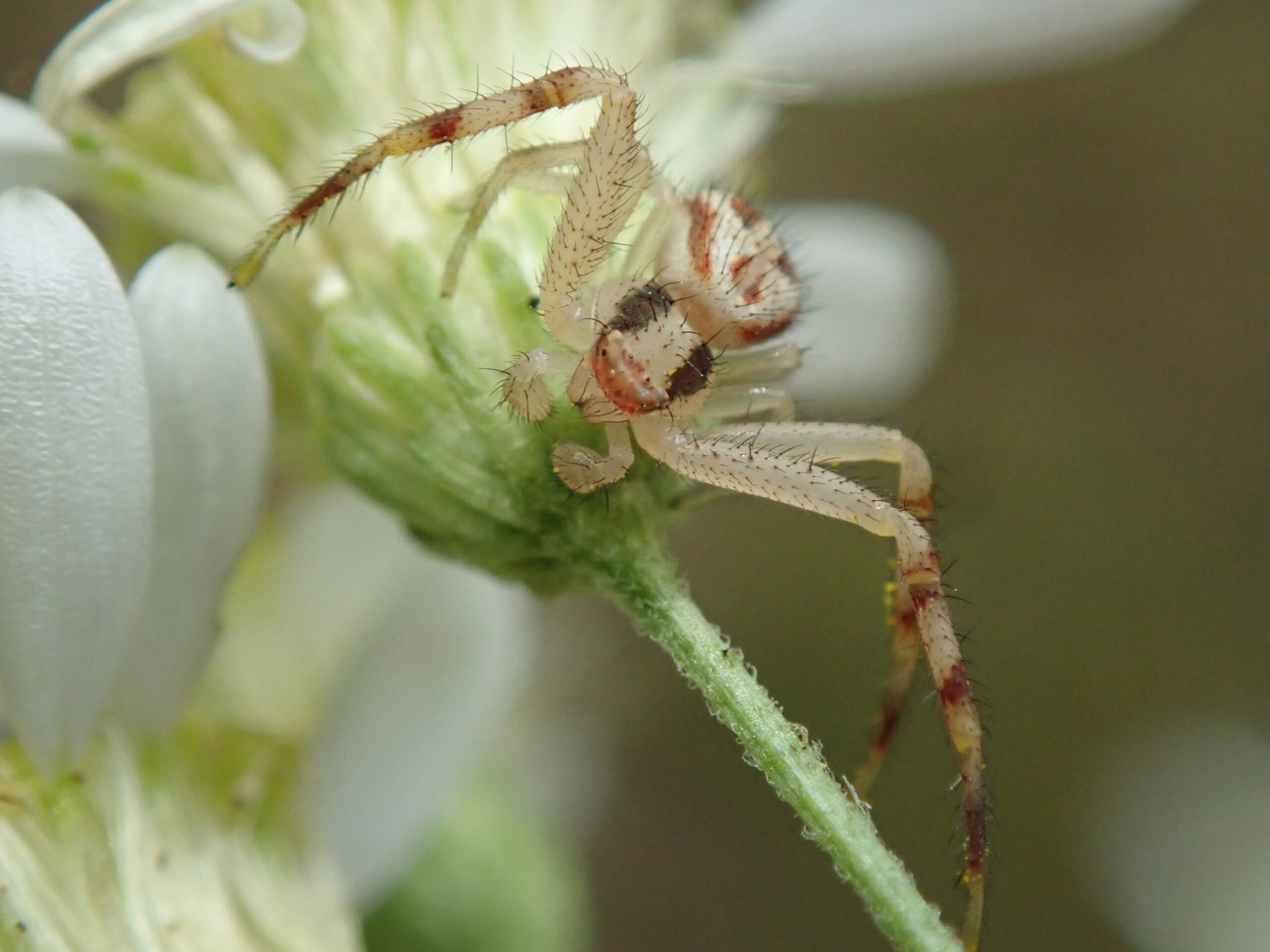
The event spanned two days, beginning midday on Saturday, September 19th and concluding 24 hours later on Sunday, September 20th just before the afternoon rain set in. Inquisitive explorers trudged through the thick vegetation in search of rare and fascinating insects, herps, spiders, plants, and other critters. Using the popular plant and wildlife identification app iNaturalist, event participants cataloged approximately 780 observations of 350 species, with data analysis still to come.
The seed for the BioBlitz was planted this past February when the Dennis Conservation Land Trusted (DCLT) hosted a gathering of its partner organizations. DCLT is leading a cape-wide Community Biodiversity Initiative, whose goal is to support its partner organizations in implementing volunteer-led biodiversity monitoring efforts. These efforts include vernal pool certification, state-listed species reporting, and BioBlitzes. The meeting established host sites for a BioBlitz in the fall of 2026. Falmouth and Harwich were selected as this year’s host sites, and The Harwich Conservation Trust hosted their BioBlitz at Cold Brook Preserve on Saturday, September 19th from 6:30 am to 10:30 pm.
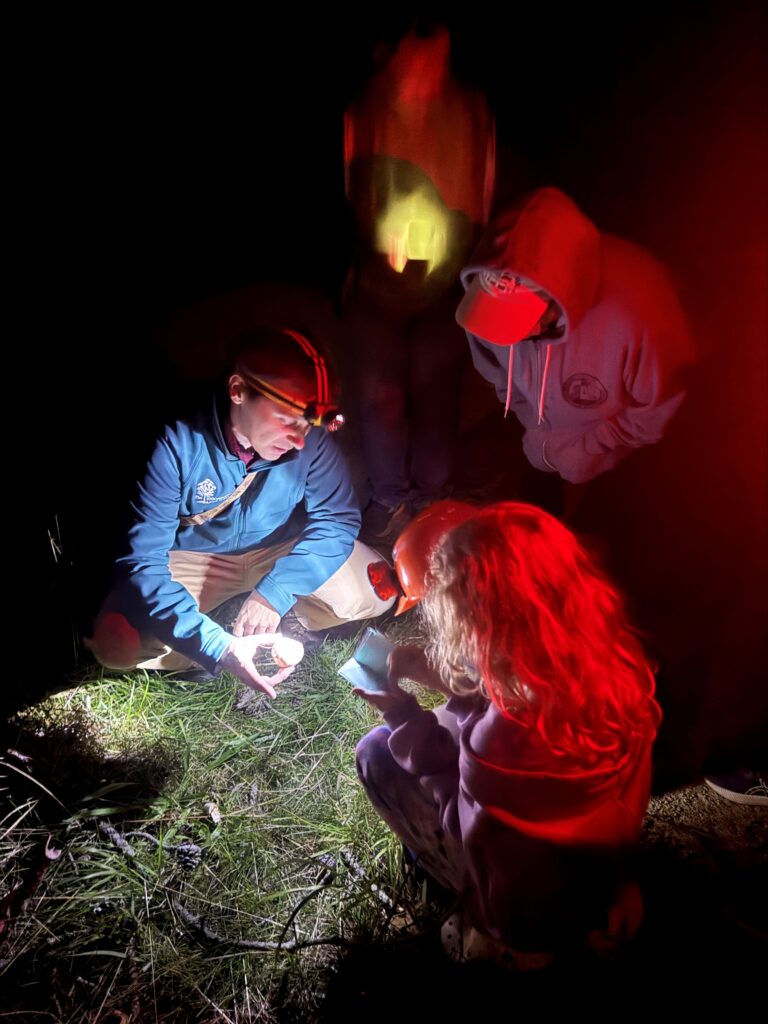
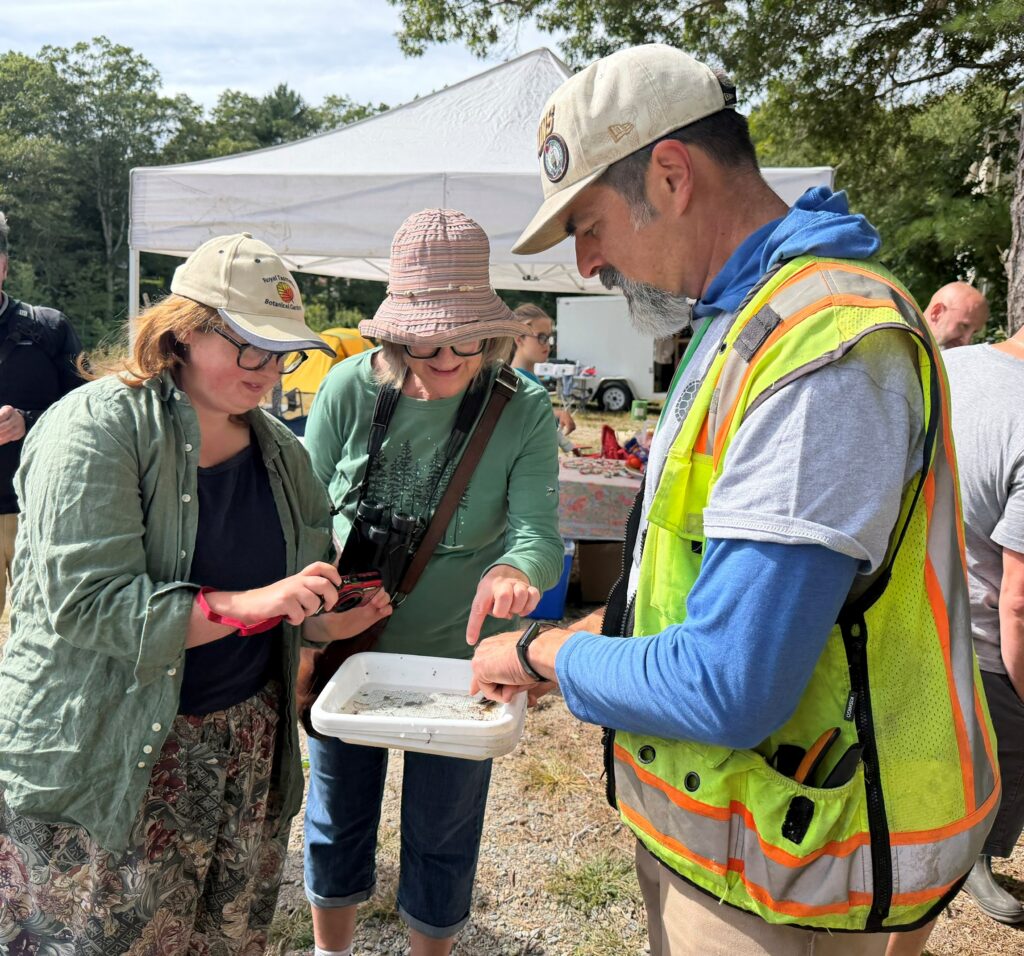
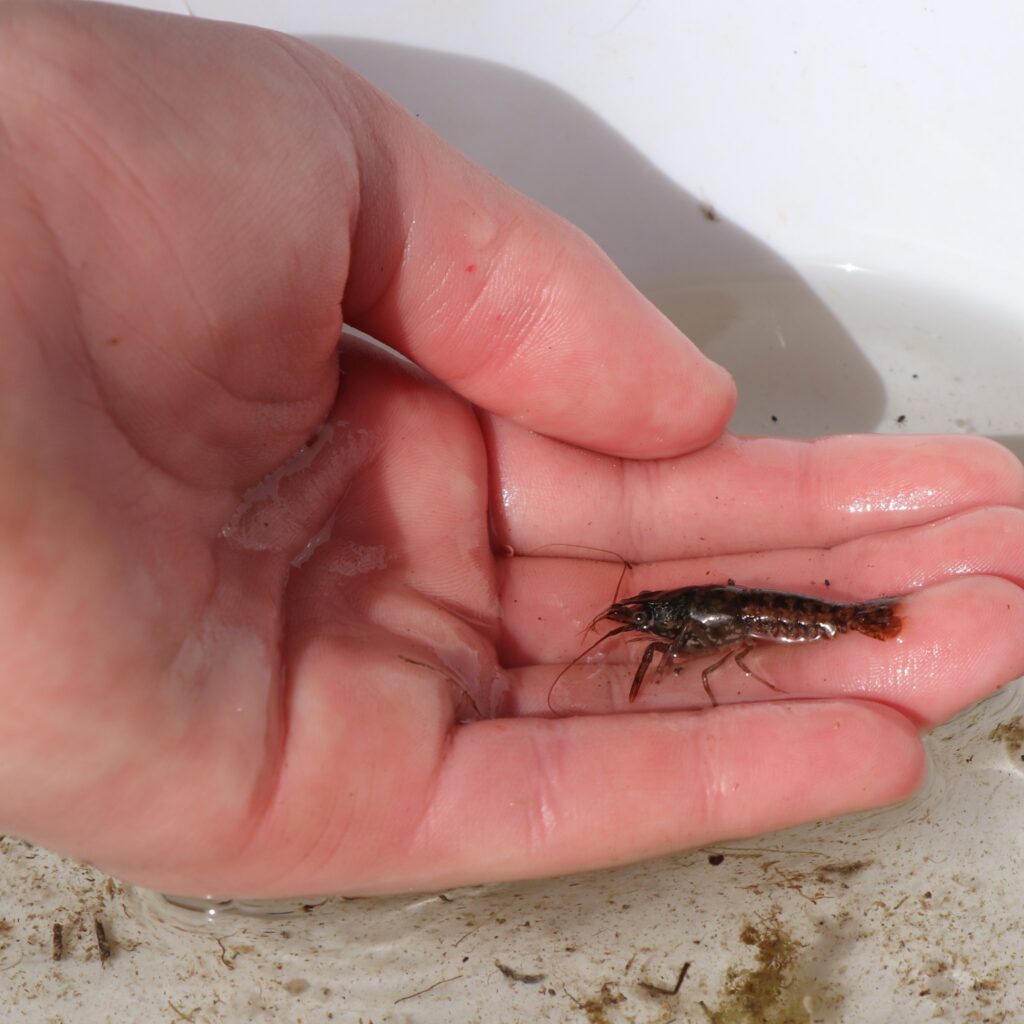
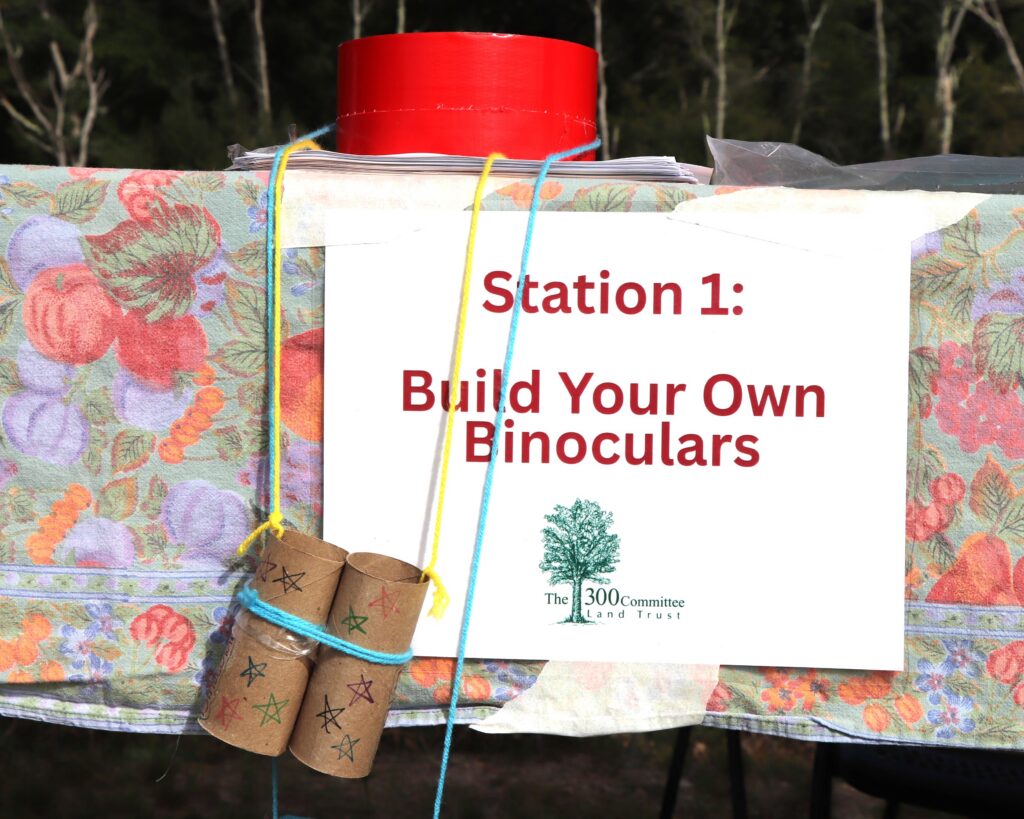
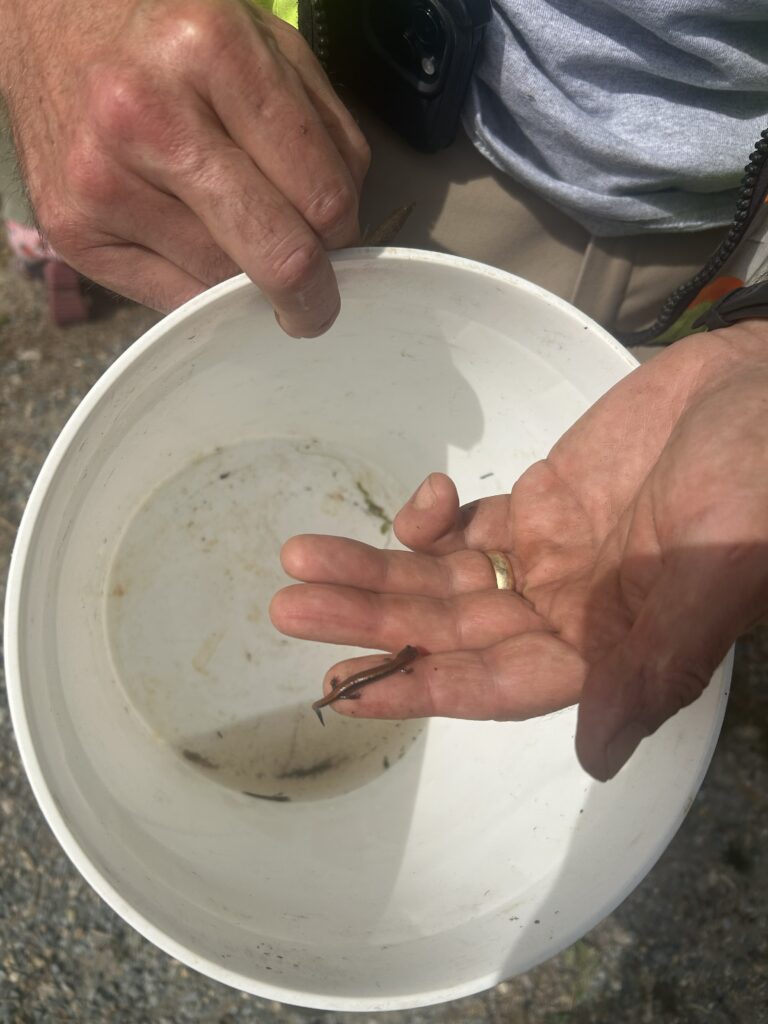
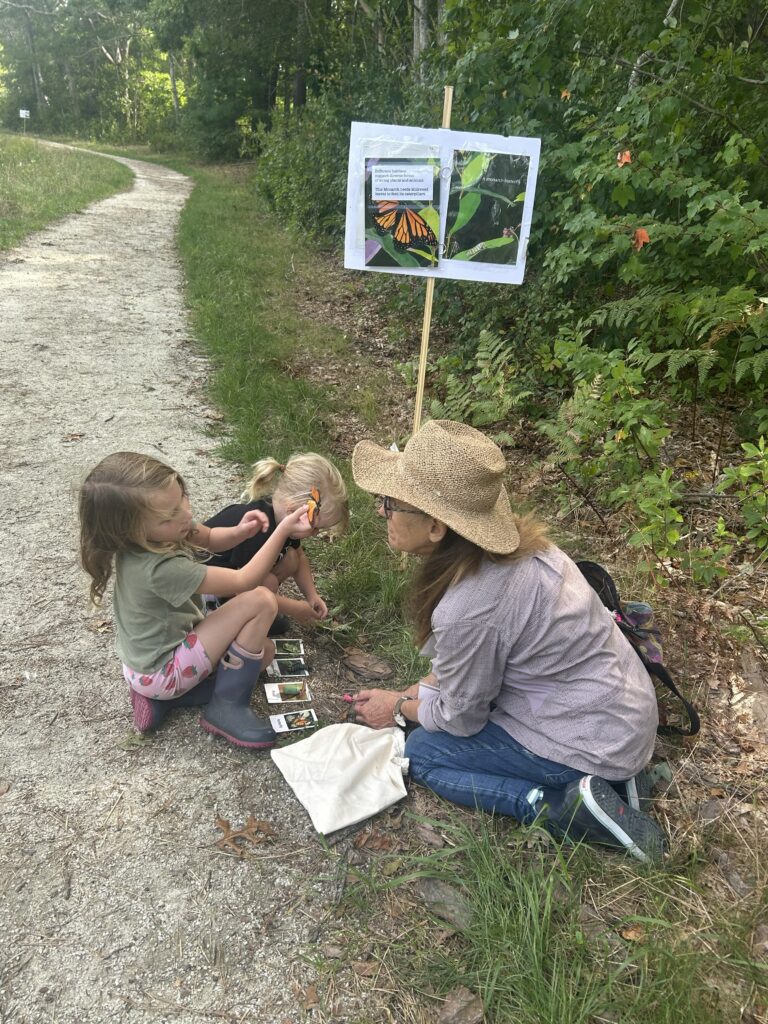
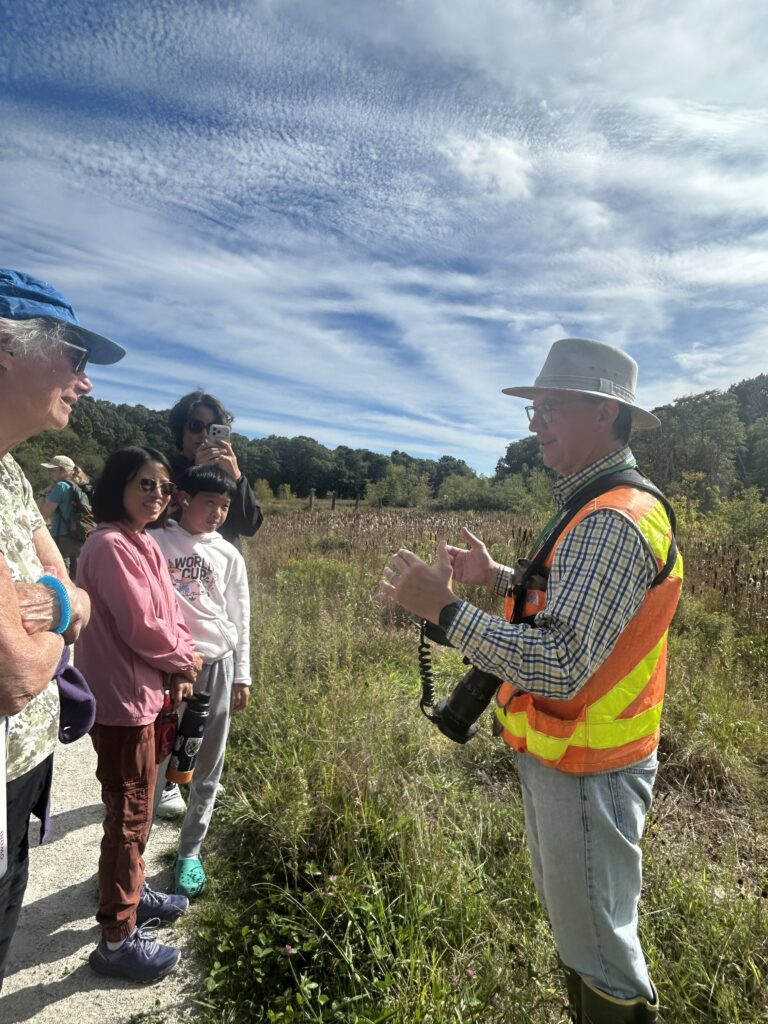
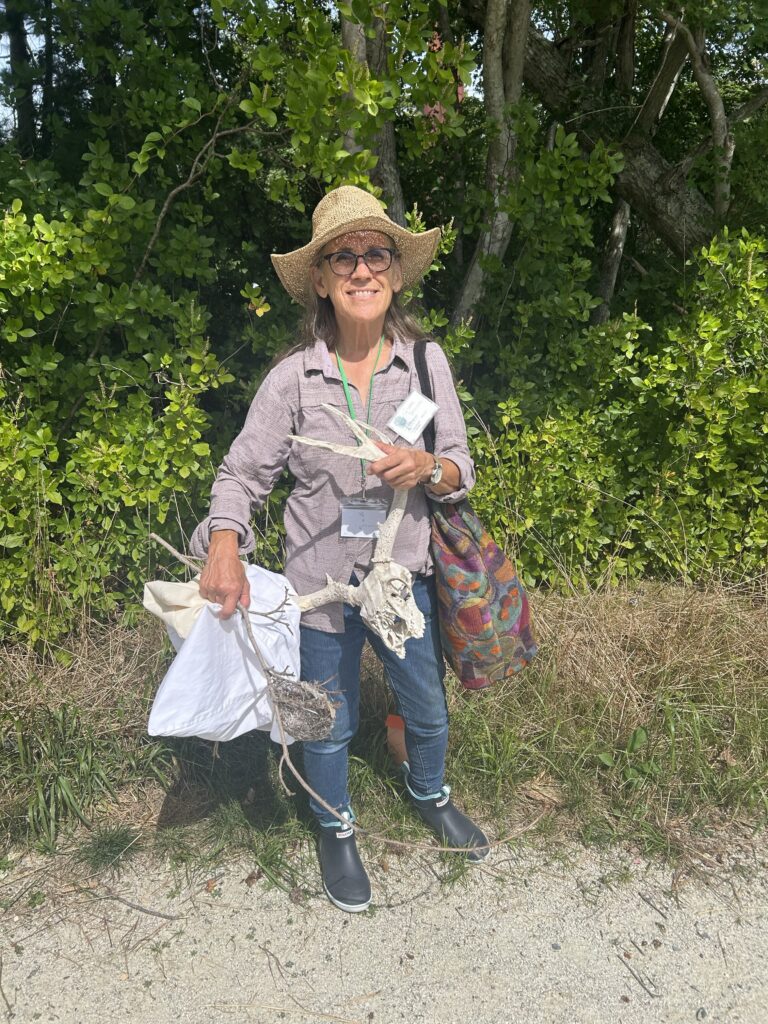
This year’s event offered a variety of engaging programs and activities including guided walks led by taxa experts, children’s crafts, and a storywalk. Mark Kasprzyk and Barry Good hosted a bird walk on Sunday morning that was well attended and received. Jake McCumber with the Massachusetts Army National Guard lead an insect walk on Saturday afternoon as a well as a nighttime moth netting activity. Scouts from Troop 236 set up camp at the site on Friday evening and stayed until Sunday afternoon. They played an instrumental role in the events activities by helping with set up, staffing the children's activity table, and recording observations. Diana Stinson with the Outreach Committee worked with 300 Committee staff and TerraCorps members to plan, design, and install a storywalk that featured the short children’s book In the Woods: Who’s Been Here. Diana facilitated a guided walk where she read the story allowed to two young girls, using props such as stuffed animals to illustrate the action. Children (and adults too) also enjoyed an activities station where they could make their own binoculars out of toilet paper rolls (the public donated over 200 toilet paper rolls) and look for critters in samples of water from the river. Minnows, crayfish, and tadpoles swam around in small plastic tubs while the children watched.
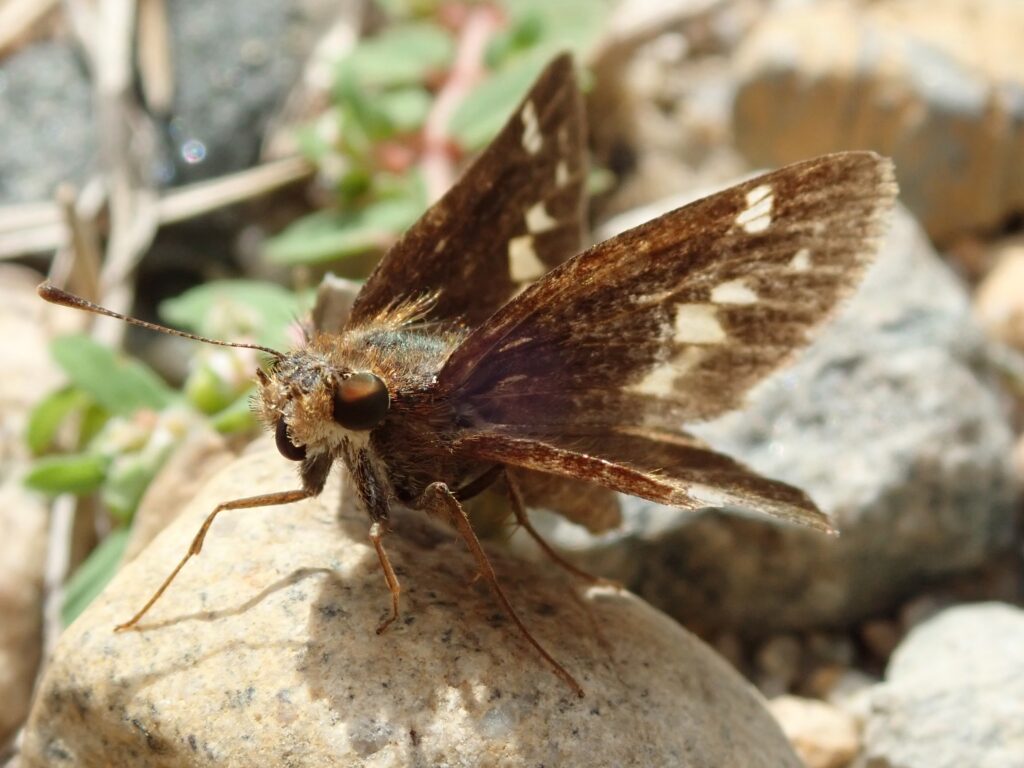
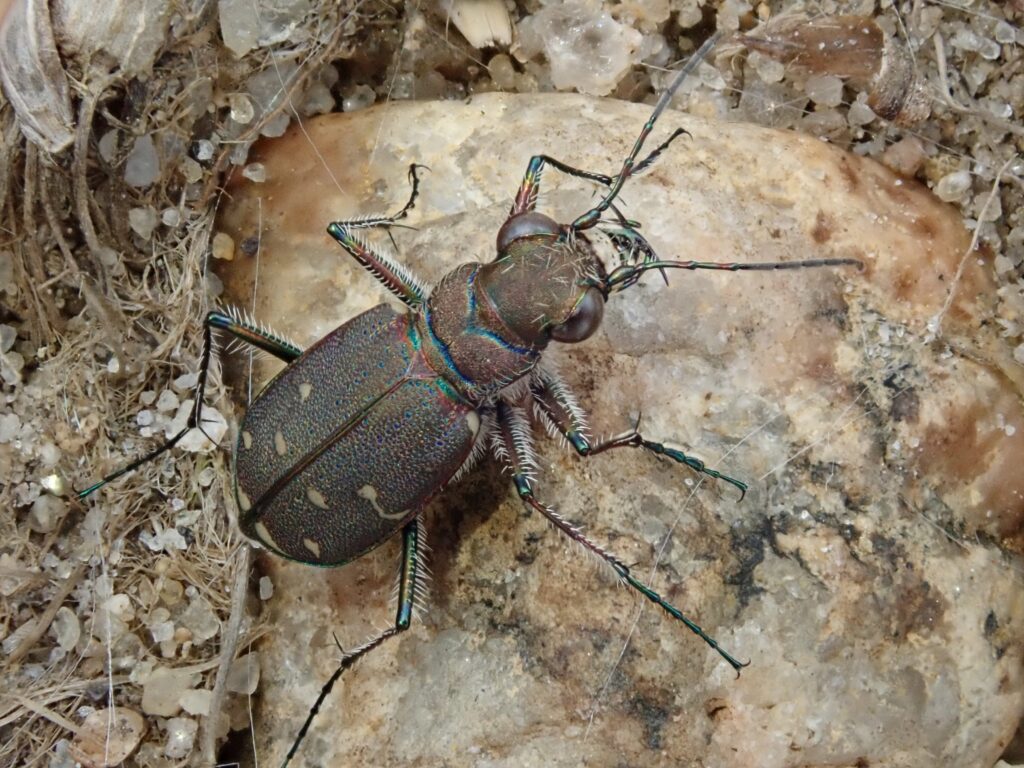
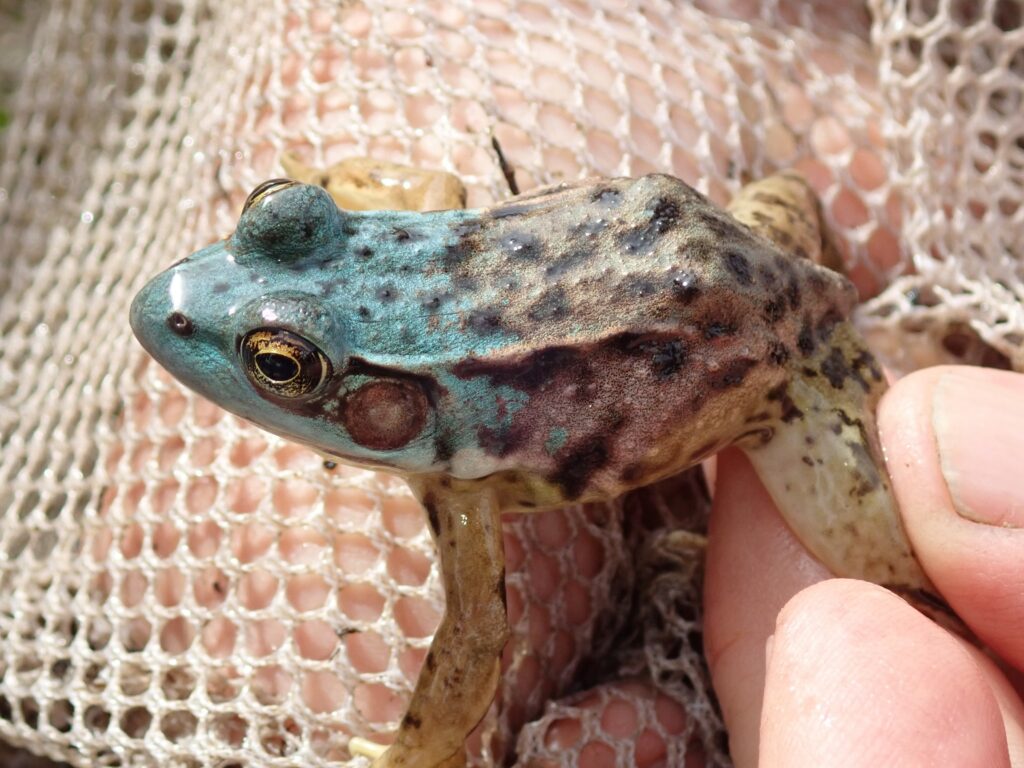
In addition to bringing the community together, we also found a few rare or state-listed species including the twelve-spotted and purple tiger beetles. These beetles have been documented at the Upper and Lower Coonamessett before. The sandy or gravelly soil makes conditions ideal for them. Jake McCumber also documented a water-willow stem borer moth, which are endemic to southeastern Massachusetts including Cape Cod and the Islands. This species only feeds on swamp loosestrife, and are classified as imperiled both locally and globally due to their limited habitat requirements. Among the many interesting finds was a green frog that was half-blue and half green due to a genetic mutation. Green frogs can sometimes appear blue due to genetic variability, but it is very unusual to find a green frog with such a unique color pattern. Any state-listed species can be reported to the Massachusetts Natural Heritage and Endangered Species Program (NHESP). Reporting state-listed species to the NHESP ensures that priority habitat for these species is protected from development.
Following the conclusion of the BioBlitz, we face a long process of sorting through and analyzing our iNaturalist data. In collaboration with our taxa experts, we plan to put together a report that summarizes our findings. We may also host an in-person talk where we share our findings with the public. Overall, we are so proud of everyone that contributed to this year's BioBlitz. The event was a great success and we could not have done what we did without the help of our wonderful taxa experts, walk leaders, and volunteers. We will host a volunteer appreciation party, which we are calling BioBliss, this November to recognize those who put their time and resources into this year's event.
We would like to recognize the following people/groups for their contributions to this year's BioBlitz:
- Jake McCumber
- Ian Ives
- Scott Symers and Joe Martinez (Oxbow Associates)
- Eric Edwards
- Henry Torpey (Town of Falmouth)
- Mark Kasprzyk and Barry Good
- Molly Cornell
- Vicki LeFevre
- T3C Outreach Committee
- T3C staff and TerraCorps members
- Scout Troop 236
- Event volunteers
- The Falmouth community
- Don Schall (In memory)
- Beth Schwarzman (In memory)